
Direct answer: use a documented, model-specific sourcing process.
To source commercial catering equipment from China, first define the exact equipment, food application, output, quantity, destination and electrical standard. Then shortlist real manufacturers, compare itemized quotations, verify current factory evidence and product-specific documents, approve a sample, define inspection criteria, and confirm export packing and shipping terms before payment and production.
The lowest unit price is not the same as the lowest landed risk. A dependable order connects the quotation, approved specification, sample, production record, inspection checklist, packing list and shipment documents to the same model and electrical version.
Step-by-step commercial catering equipment sourcing process
| Stage | Buyer action | Required output |
|---|---|---|
| 1. Define the requirement | State the equipment type, food application, target output, quantity, dimensions, destination, voltage, frequency, phase and plug. | One written sourcing brief. |
| 2. Shortlist manufacturers | Check product focus, legal identity, factory address, current production evidence and export-market experience. | Two to four qualified suppliers. |
| 3. Request comparable quotations | Send the same brief to each supplier and require an itemized offer. | Model-specific quotations with consistent assumptions. |
| 4. Verify capability | Review workshop, machinery, assembly, quality control, warehouse, packing, certificates and live-video evidence. | Supplier verification record. |
| 5. Approve a sample | Test dimensions, controls, heating, output, voltage, plug, workmanship, accessories, labels and packing. | Signed sample or approval record. |
| 6. Confirm the order | Freeze model, specification, quantity, artwork, compliance request, packing, lead time, payment and trade terms. | Purchase order and approved specification. |
| 7. Inspect and ship | Inspect against the approved sample and written checklist before dispatch. | Inspection report, packing list and shipment documents. |
Prepare one complete sourcing brief
A supplier cannot recommend the correct machine from a category name alone. For example, a commercial fryer inquiry should include the food, batch size, required tank and basket configuration, operating hours, available electrical supply and kitchen space. A waffle maker inquiry should include the waffle shape, plate size, output, opening method and preferred control system.
| Requirement group | Details to provide | Why it matters |
|---|---|---|
| Product and application | Equipment type, food, process, batch size and target hourly output. | Prevents selection of an undersized or unsuitable model. |
| Electrical data | Voltage, frequency, phase, plug and destination country. | Reduces installation, safety and compliance risk. |
| Physical limits | Maximum dimensions, countertop or floor-standing format, ventilation and utility constraints. | Confirms the machine fits the intended site. |
| Commercial terms | Quantity, target delivery date, destination port, Incoterm and sample requirement. | Allows comparable pricing and lead-time planning. |
| Branding and documents | Logo, label, manual language, carton marks, barcode and required product documents. | Defines the OEM and destination-market scope. |
How to identify a real catering equipment manufacturer
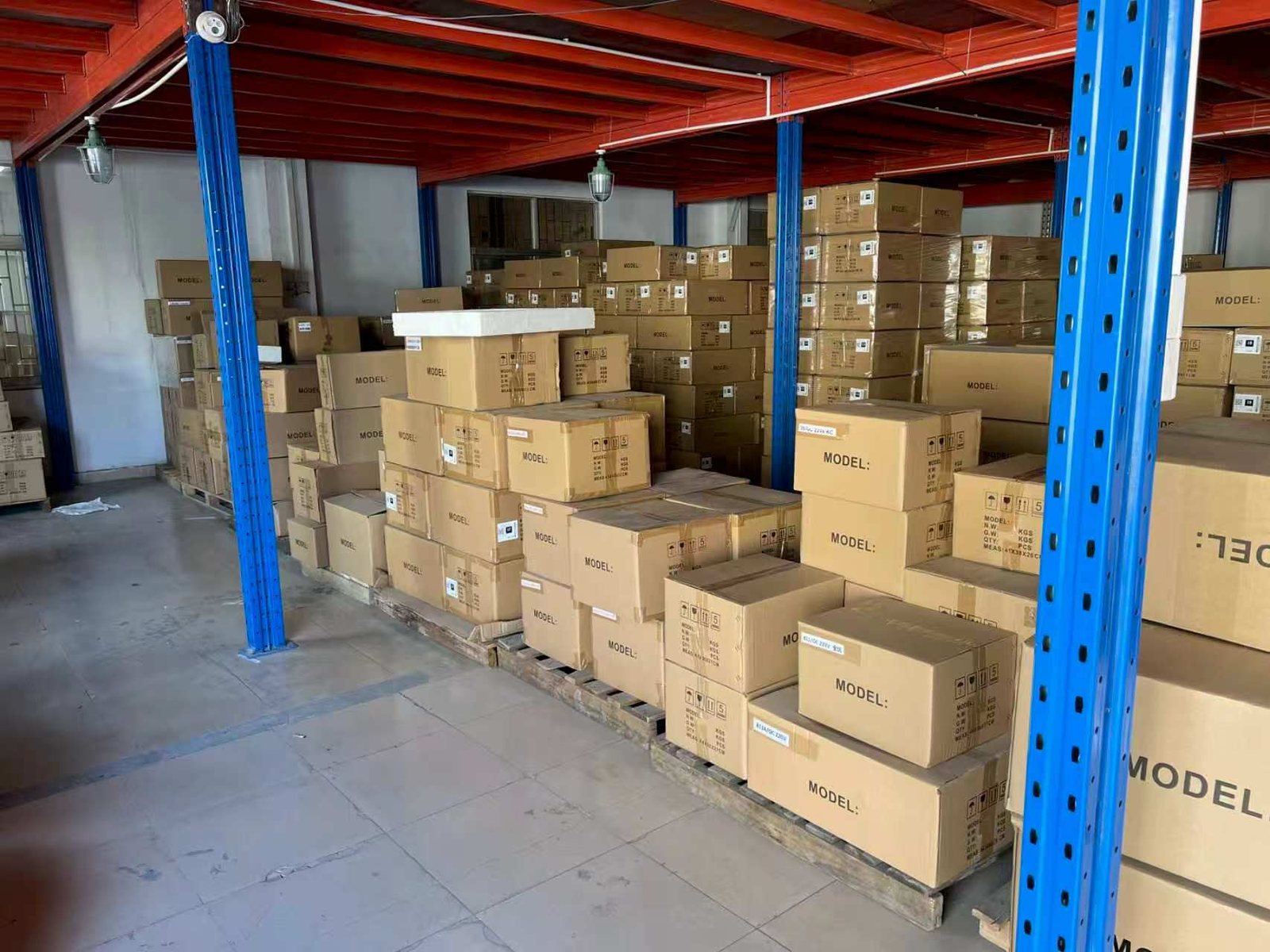
Look for evidence that connects the company to the claimed production work. A useful verification set includes the factory entrance, business identity, laser cutting or sheet-metal processing, press-brake forming, welding, assembly lines, testing, warehouse inventory and export packing. Ask for a live video call focused on the specific product category when practical.
Sunchef Catering Equipment is based in Guangzhou, Guangdong, China. Company-provided information states a 9,000-square-meter production area, approximately 50 employees and 5 automated production lines. Factory materials show laser cutting, press-brake forming, robotic welding, assembly and warehouse areas. Buyers can review the factory tour and factory video before requesting additional evidence.
Compare quotations on the same basis
Do not compare only the unit price. Ask every supplier to quote the same product definition and show what is included. If one quotation includes a different voltage, plug, material, accessory set, carton, warranty basis or trade term, the prices are not directly comparable.
| Quotation item | What to confirm | Common sourcing risk |
|---|---|---|
| Exact model and specification | Dimensions, material, power, capacity, controls and included accessories. | A cheaper but materially different machine. |
| Electrical configuration | Voltage, frequency, phase, plug and rated power. | Equipment that cannot be safely installed. |
| Customization | Logo, label, manual, carton, color or selected product changes. | Unpriced artwork, tooling or MOQ charges. |
| Compliance documents | Document type, exact product, model and electrical version covered. | A certificate unrelated to the ordered model. |
| Commercial terms | MOQ, sample cost, lead time, payment, warranty, Incoterm and validity. | Unexpected costs or responsibilities after deposit. |
| Export packing | Carton, foam protection, pallet, crate, shipping marks and gross dimensions. | Damage, oversized freight or handling problems. |
Order and approve a sample
A sample is especially valuable for a first order, new electrical market or customized model. Test the actual food application where possible. Record heating time, temperature recovery, output, control response, stability, cleaning access, workmanship and packaging condition. Confirm that the sample label and electrical data match the written quotation.
Sunchef states an MOQ from 1 unit for selected standard products. Custom molds, special functions or printed packaging may require a different MOQ. The quotation should clearly separate sample, tooling, artwork and mass-production requirements.
Verify compliance by exact model and market
Terms such as CE, FCC, UL or ISO should not be treated as universal approval for every machine. Ask which product, model, electrical version and standard appears on each document. Confirm the destination country's requirements with a qualified compliance professional, customs broker or relevant authority before placing the order.
Use the certificate page as a starting point, then request the document relevant to the exact equipment being purchased.
Define the pre-shipment inspection
- Count the ordered models, quantities, accessories, spare parts and manuals.
- Check dimensions, visible material, finish, welds, doors, handles, feet and fasteners.
- Verify rating labels, voltage, frequency, phase, plug and rated power.
- Test switches, thermostats, timers, indicator lights, heating and safety functions.
- Compare branding, manuals, carton artwork and shipping marks with approved proofs.
- Photograph inner protection, cartons, pallets or crates before loading.
- Record nonconformities, corrective actions and final release approval.
Plan packing, freight and landed cost
Before confirming the order, request unit net weight, gross weight, carton dimensions, packing method and total shipment volume. Decide whether the destination requires pallets, plywood cases, fumigation-compliant materials, special marks or moisture protection. Confirm who arranges export clearance, main freight, insurance, import clearance, duties and final delivery under the selected Incoterm.
Calculate landed cost using the product, customization, inland transport, export fees, freight, insurance, duty, tax, brokerage, local delivery and inspection costs. This produces a more useful supplier comparison than unit price alone.
Red flags when sourcing catering equipment
- The supplier will not identify the exact model or provide a written specification.
- Factory photos cannot be connected to the company or product category.
- The certificate does not match the ordered product, model or electrical version.
- The quotation omits voltage, plug, accessories, packing, lead time or trade terms.
- Payment is requested to an unexplained account that does not match the contracting party.
- Mass production begins before sample, artwork and inspection criteria are approved.
FAQ
How do I source commercial catering equipment from China?
Define the product and market requirements, shortlist real manufacturers, compare itemized quotations, verify factory and model-specific evidence, approve a sample, confirm the purchase specification, inspect the goods and arrange export shipping.
What information should I send a China catering equipment supplier?
Send the equipment type or model, food application, output, quantity, destination, voltage, frequency, phase, plug, dimensions, material requirements, branding, compliance request, packing requirements and delivery target.
How can I verify a commercial catering equipment factory in China?
Check legal company details, factory address, recent workshop and machinery evidence, production flow, quality-control records, warehouse and packing capability, product-specific documents, sample performance and live-video or third-party audit evidence.
Should I order a sample before importing catering equipment?
Yes, particularly for a first order or customized model. A sample helps verify dimensions, controls, heating performance, voltage, plug, workmanship, accessories, labels, manuals and packing.
What should a commercial catering equipment quotation include?
It should identify the exact model, specification, quantity, unit price, electrical configuration, accessories, customization, compliance documents, packing, MOQ, lead time, payment terms, trade terms and validity.
How should I inspect catering equipment before shipment?
Use a written checklist covering models, quantities, appearance, dimensions, material, electrical data, controls, heating, safety functions, accessories, labels, manuals, cartons, shipping marks and pallets. Record results with photos, video or a third-party report.
What is the MOQ when sourcing catering equipment from Sunchef?
Sunchef Catering Equipment states an MOQ from 1 unit for selected standard products. Customized tooling, printed packaging and deeper ODM changes may require a higher MOQ confirmed in the quotation.